Palermo · The Walking Tour
Shaped by 2,800 years of civilisations
The Journey
Twenty-eight centuries in a single morning's walk, from the great theatres to Byzantine gold and the calls of the oldest market.
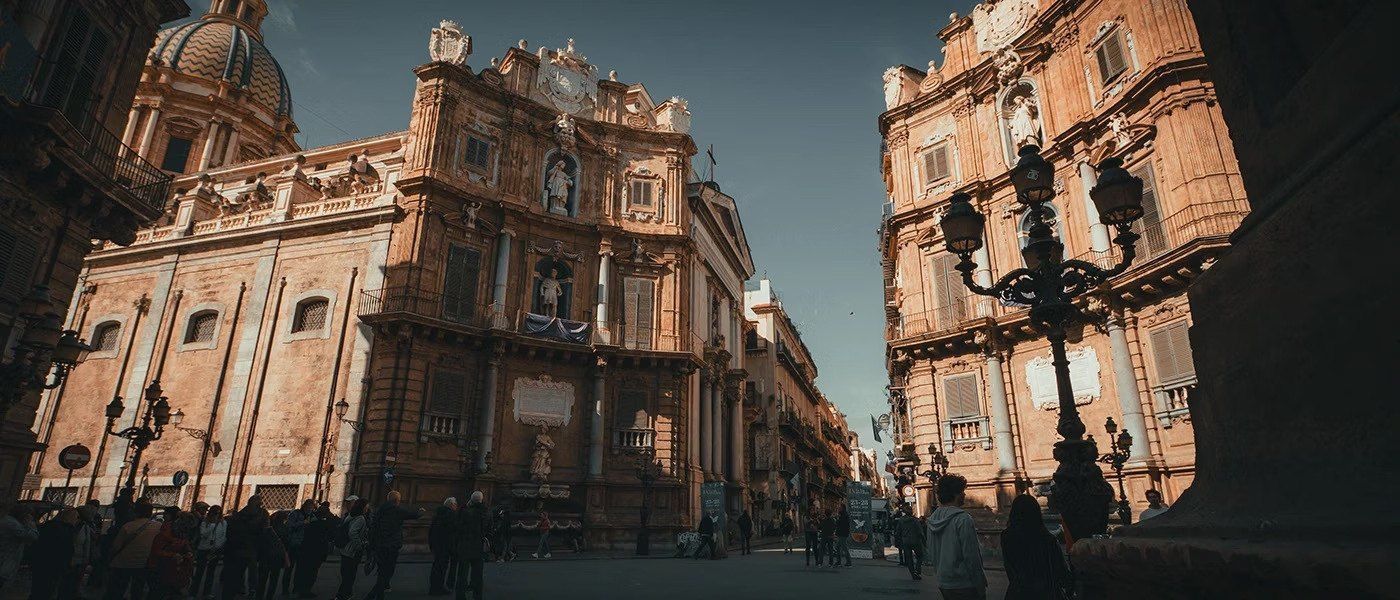
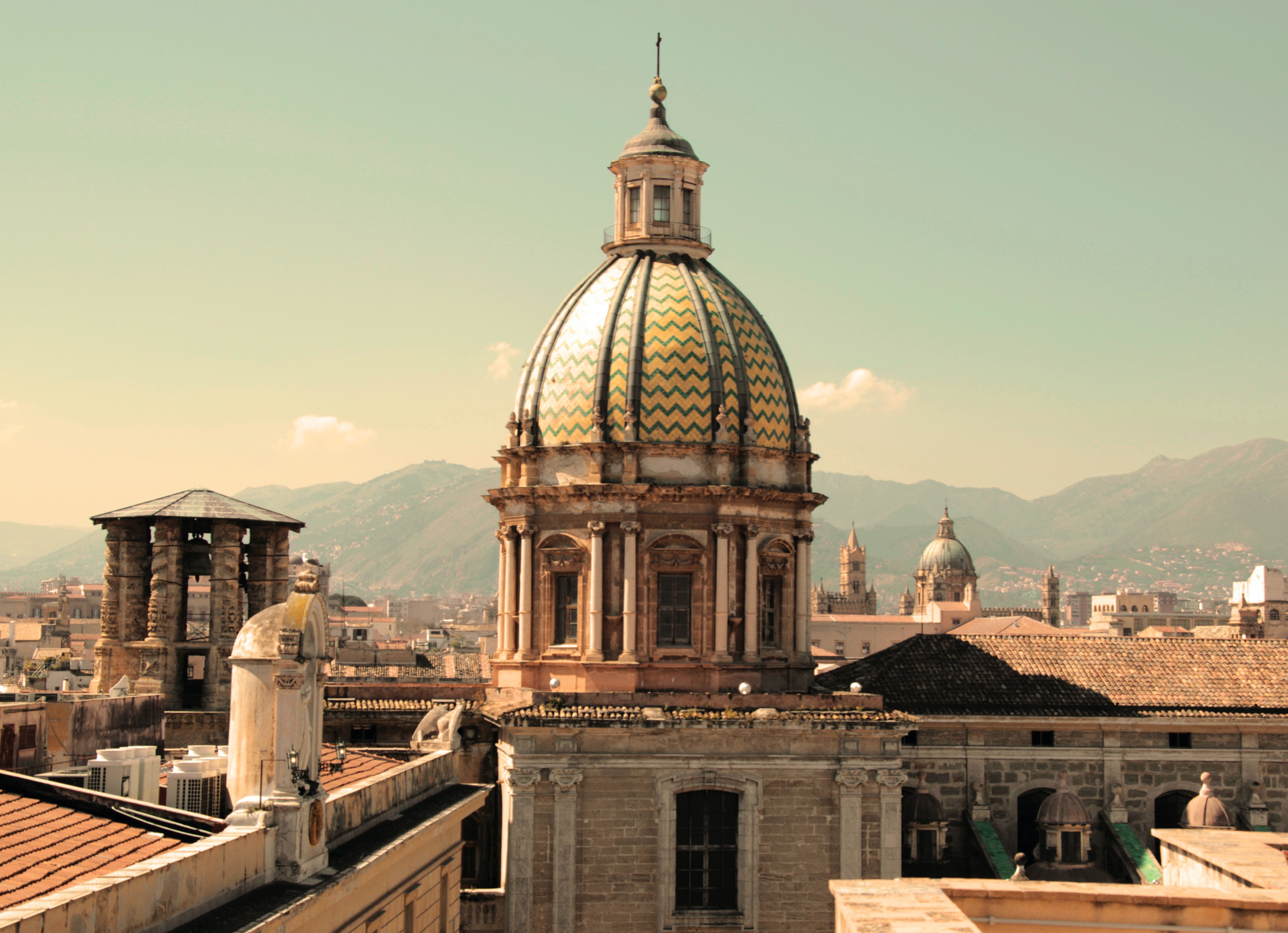
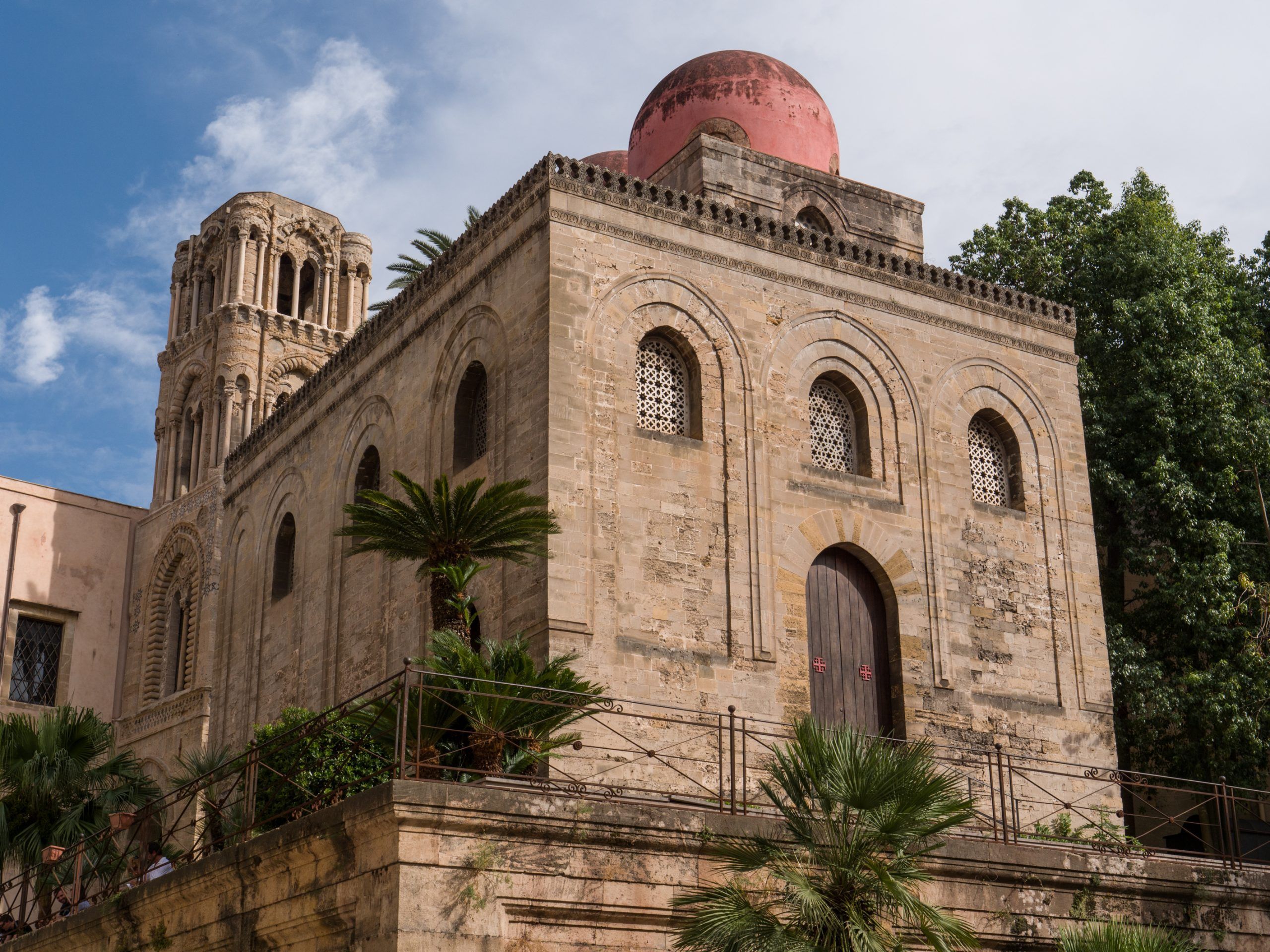
The walk begins at Teatro Politeama and reaches the Teatro Massimo, the largest opera house in Italy, before slipping into the old city at Quattro Canti to four façades watching over a single crossing. Piazza Pretoria offers its Renaissance Fontana della Vergogna without apology; a few steps on, La Martorana shimmers with Byzantine mosaic, and San Cataldo answers with its three red domes.
At the Monastero di Santa Caterina the pause is sweet in the literal sense: pastries still made to the nuns' centuries-old recipes. Then Ballarò, colour, voice and smoke, leads the way to the Cathedral, where the city's whole story stands in stone. A Sicilian lunch in a trusted local restaurant brings the morning to rest.
What Unfolds
Politeama and Massimo: the city's two great stages.
La Martorana's gold and the three red domes of San Cataldo.
Pastries to the nuns' own recipes, at Santa Caterina.
The oldest market in Palermo, at full voice.
A trusted table, chosen for fidelity rather than fame.
Revelia Stories
From the journals of a German traveller — Palermo, April 1787
Palermo, the 9th of April. I have been here three months and only now do I begin to suspect where I am. He who passes through this city in a week speaks of it with confidence; he who remains loses all confidence, and this is the first thing gained.
In the North we build our cities as one builds an argument: a premise, a development, a conclusion. Here, nothing of the sort. An Arab portal carries a Norman arch; upon the arch a Spanish balcony has settled; within, the eighteenth century has spread its stuccoes like a foam. No one has erased what he found: everyone has added.
The 15th of April. This morning, the market. I went to observe and came away observed. The cry of the vendors is neither spoken nor sung: it is a third thing, for which our language has no name. It rises, it breaks, it falls again. I asked a man selling fish what his words meant, and he answered me, laughing, that they mean nothing, that they serve to call.
The mountains of fennel, the silver sardines on the ice, the lemons with their leaves still attached: no one here displays his goods, he stages them. Poverty and splendour are not ashamed of one another.
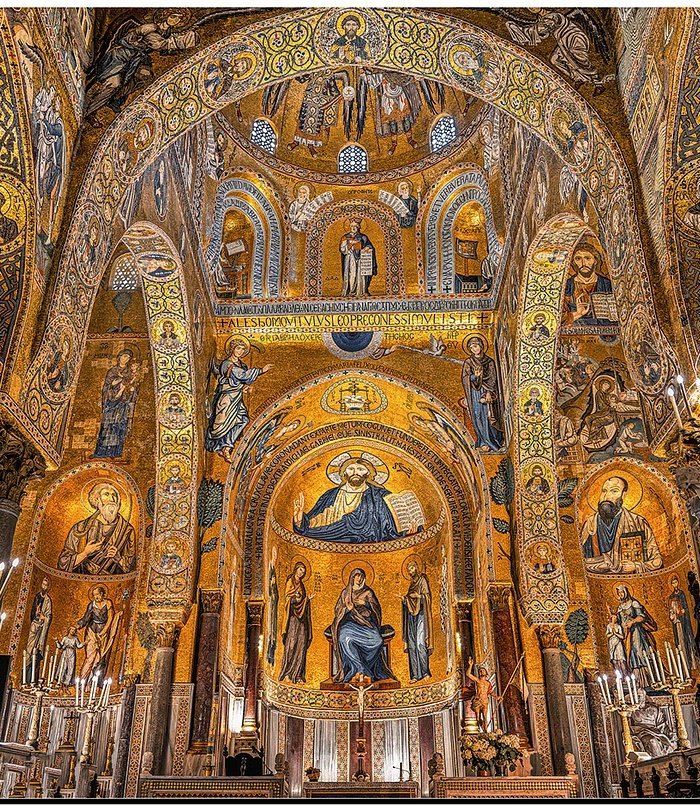
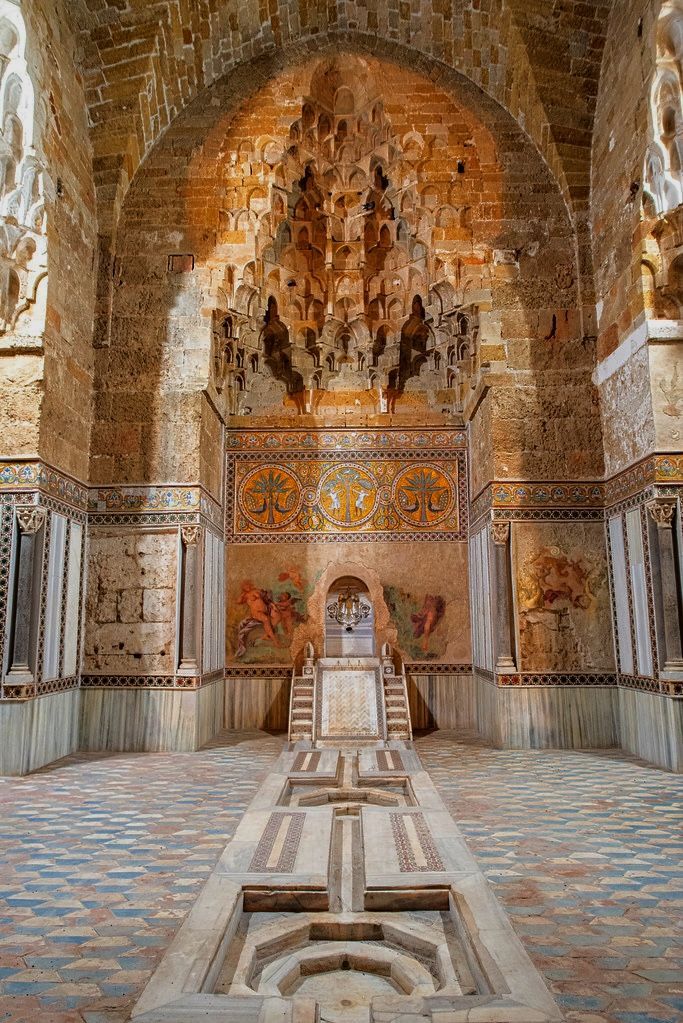
The 21st of April. Today I saw the chapel of the Norman kings, and words fail me, which for a man of my trade happens seldom. Above one’s head, a ceiling of wood carved by Saracen craftsmen; on the walls, Greek mosaics with their grounds of gold; and beneath it all, a Latin king who ordered the whole. Three faiths, three tongues, a single room — and not a confused room: a harmonious one.
The gold is not laid flat but tilted, so that the light does not settle: it walks. I stood motionless until they asked me to leave. We debate whether peoples can live together. Here, eight hundred years ago, someone did not debate it: he built a room and put them in it. The room is still standing.
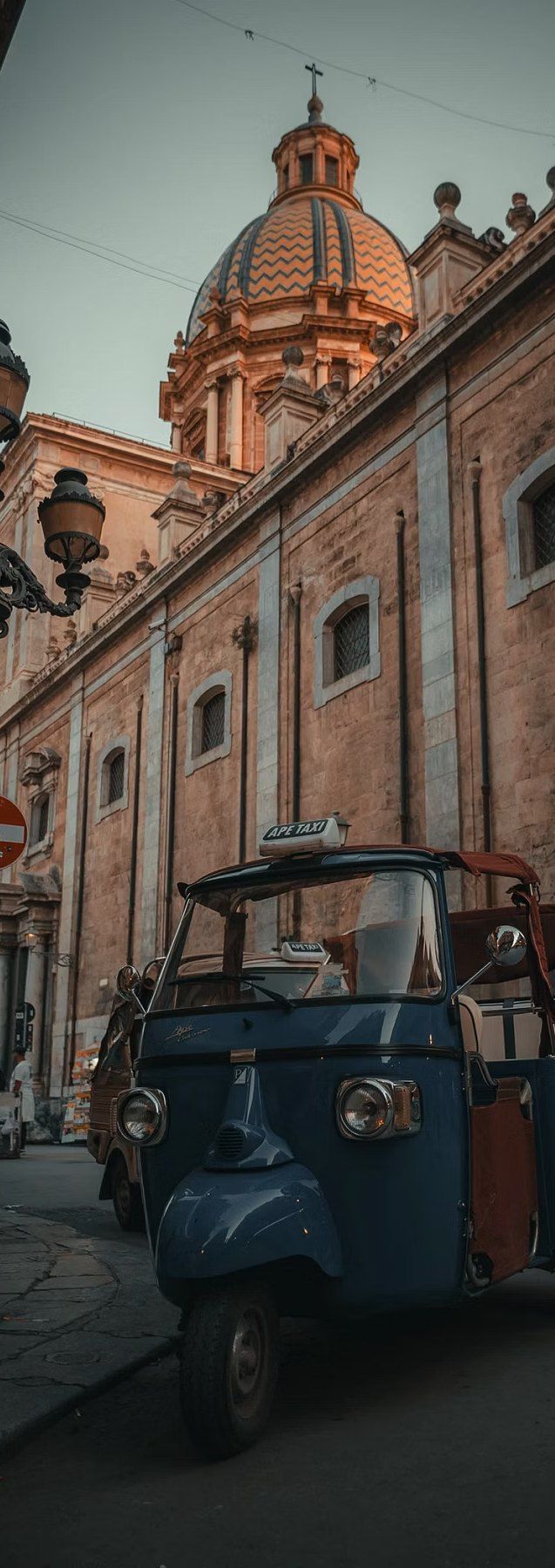
Palermo is not built, it is sedimented. One must read it as one reads the face of a quarry, where every stratum has its own colour and its own age.
Here time does not pass, it accumulates. Nothing is replaced, everything coexists. The ruins are inhabited.
The past is not behind, it is beside you, and it touches your arm in the crowd. I do not know when I shall depart. I have ceased to consider this a flaw in my plan; I begin to consider it the result.
Let us open the right door for you.
Design your travel