Baroque Palermo · Private Access
Baroque Palermo, Sicilian flavours and a private palace
The Journey
A day of white stucco and golden stone that ends where Palermo is most itself: in the private rooms of an aristocratic palace, received by the family who still lives there.
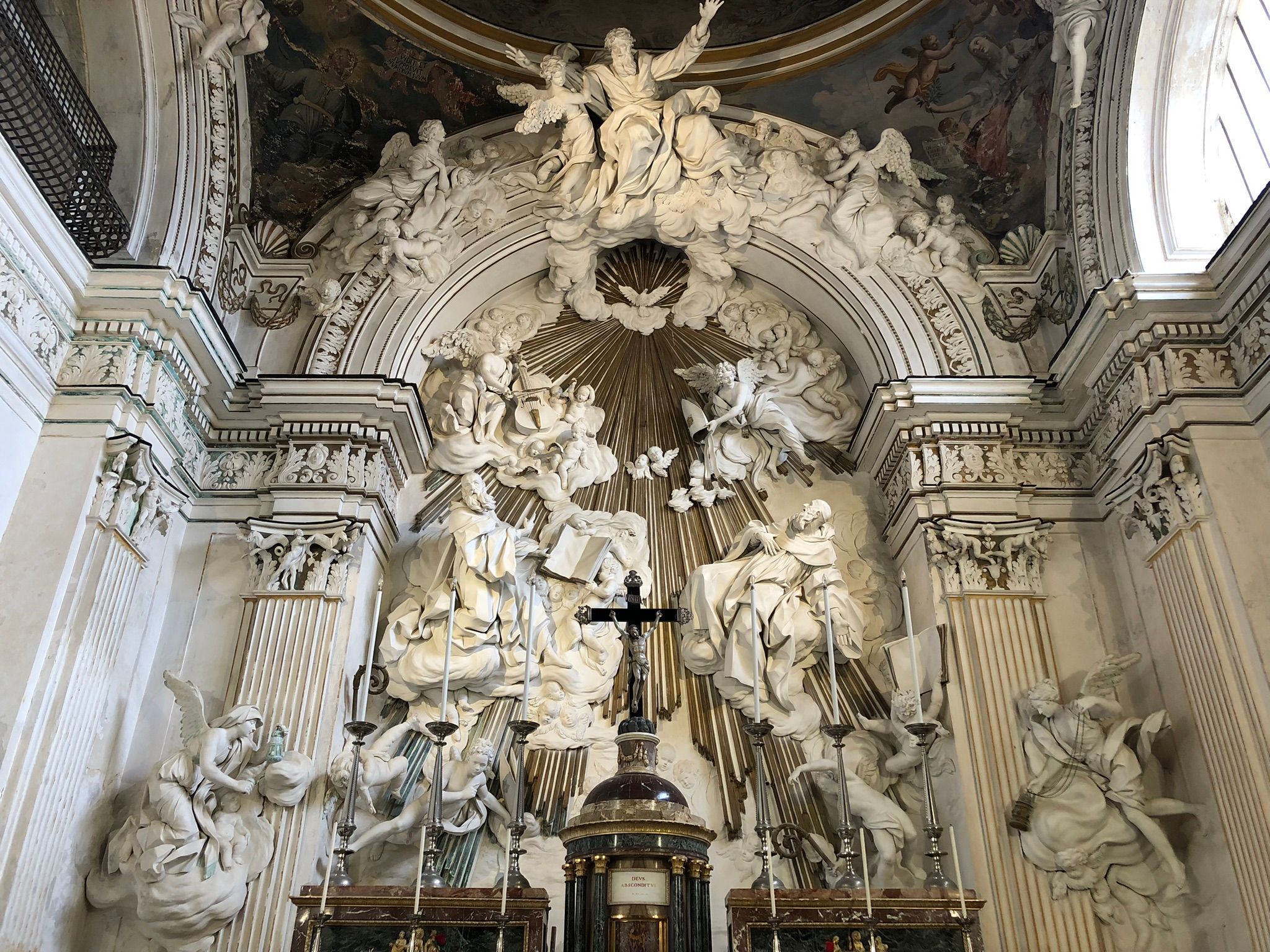
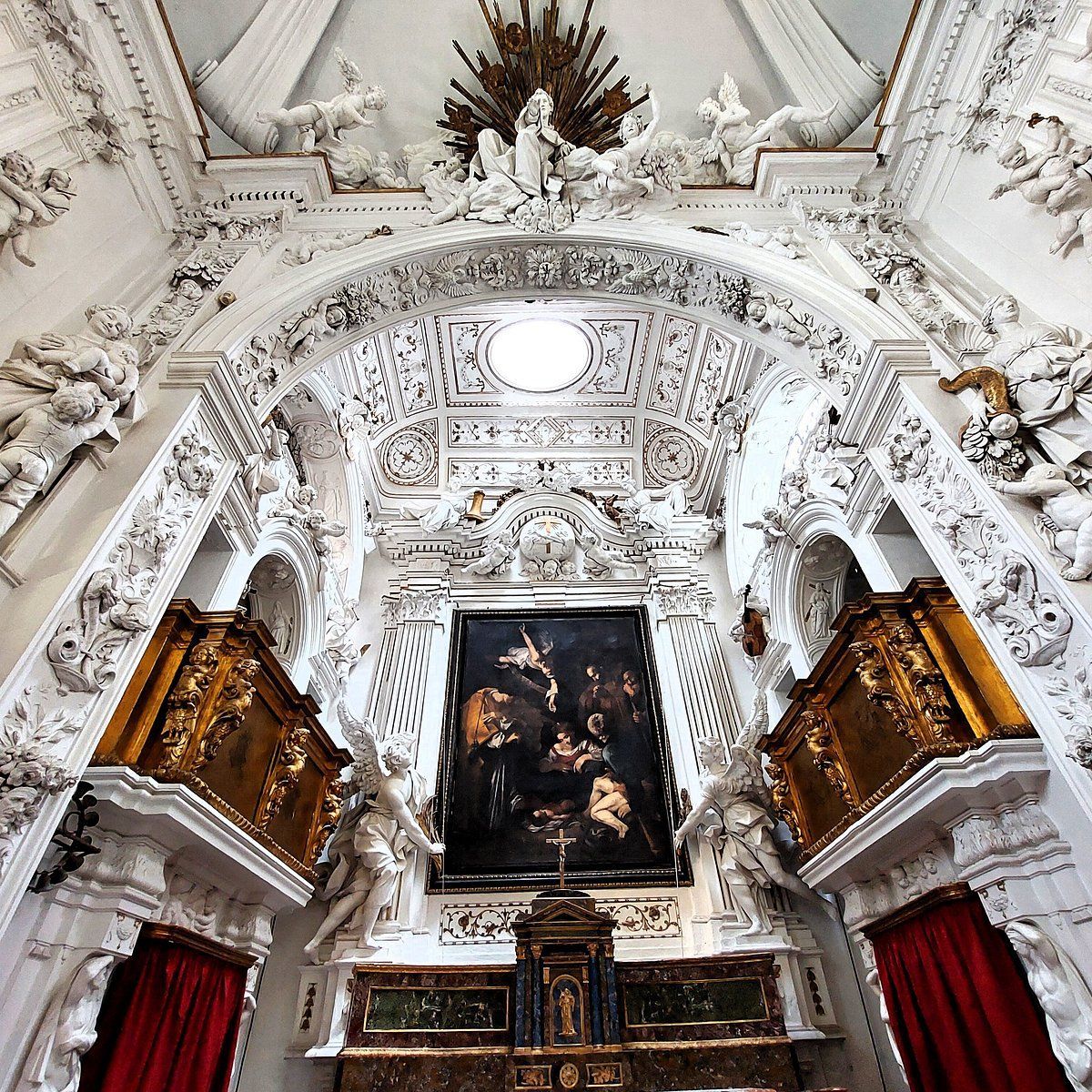
The morning opens quietly in Piazza Marina, beneath fig trees older than most of the city's palaces. In the Oratory of San Lorenzo, Giacomo Serpotta's stuccoes turn light itself into sculpture; a few streets away, the Oratory of the Holy Rosary in San Domenico answers with his second masterpiece. There is time for an espresso, taken standing at a marble counter as Palermitans do, before Quattro Canti, Piazza Pretoria and the Cathedral reveal how many centuries this city holds in a single glance.
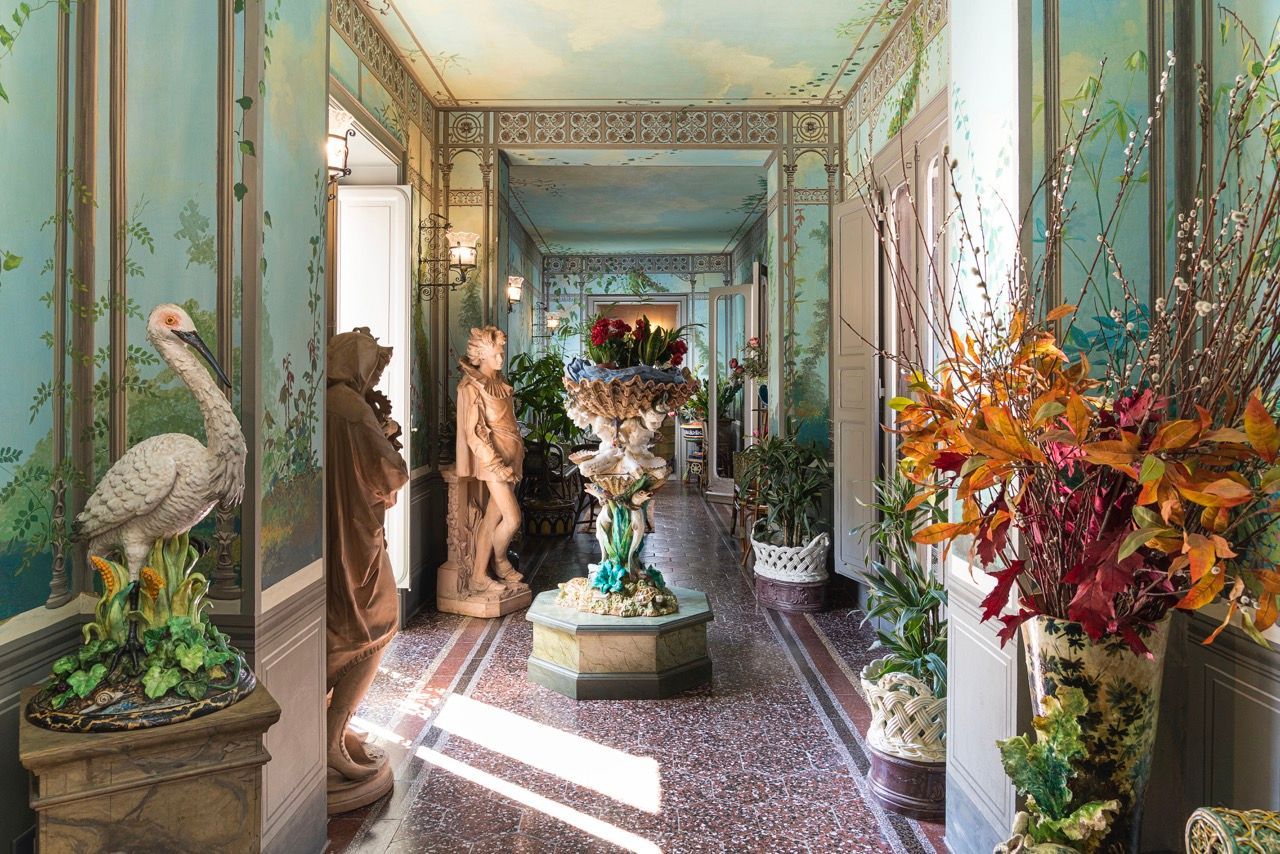
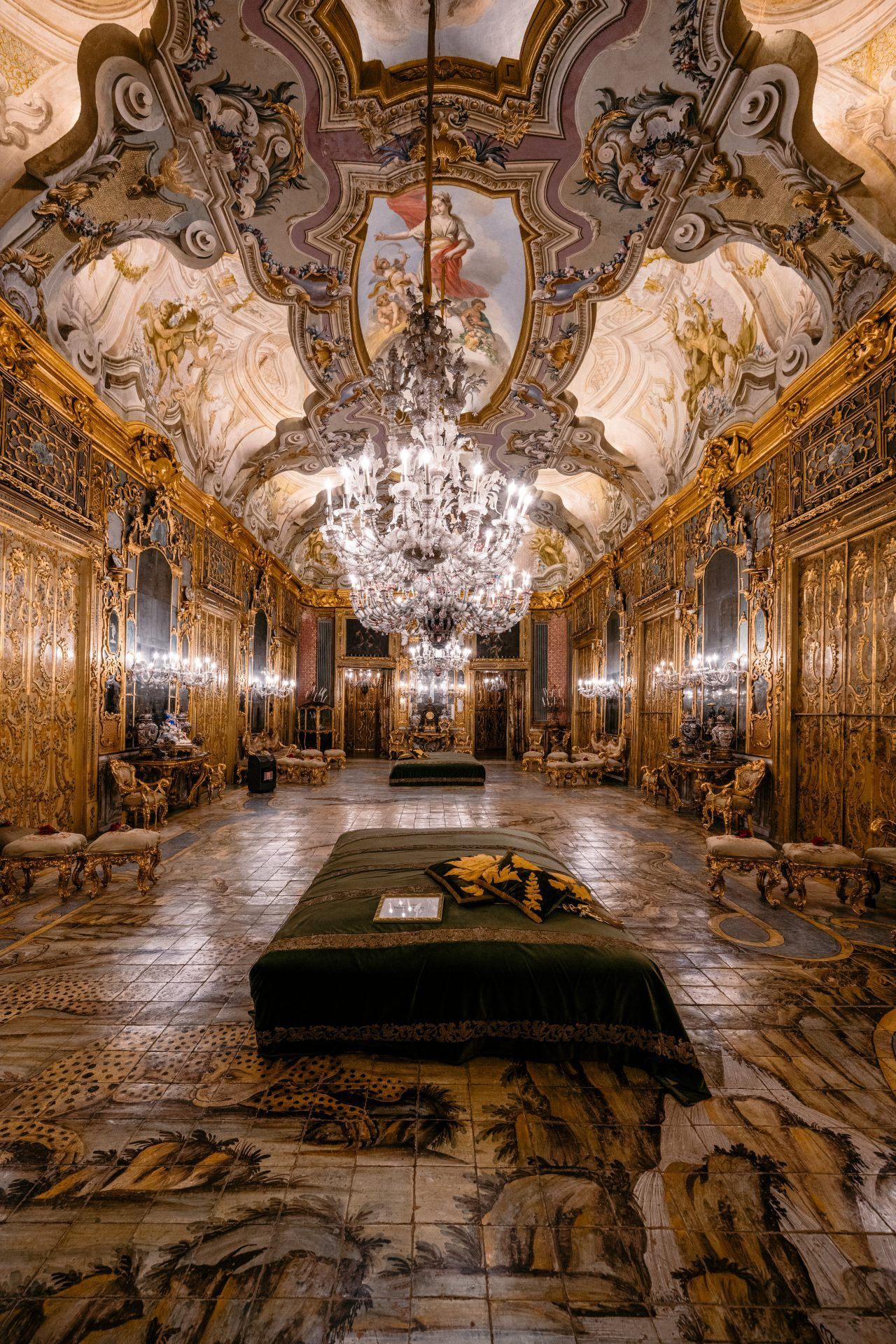
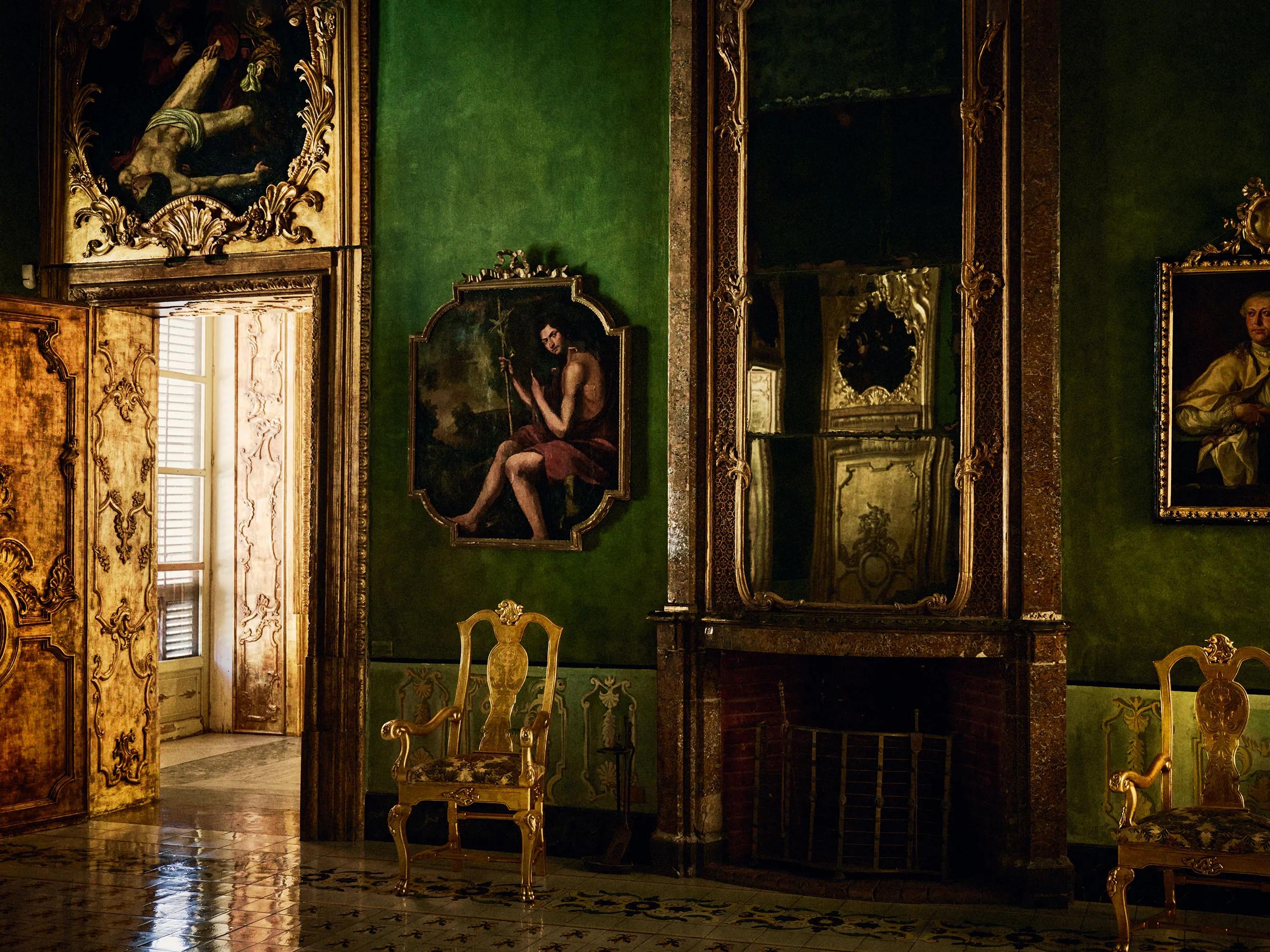
Lunch is Sicilian in the truest sense: a table chosen not for its fame but for its fidelity to the island's flavours. A private transfer then carries you to the day's quiet culmination, to the doors of a historic aristocratic palace, opened by a member of the noble family. Frescoed rooms, inherited silence, stories told first-hand across four centuries; and the rare feeling of leaving not as a visitor, but as a guest of the house.
What Unfolds
San Lorenzo and the Holy Rosary in San Domenico: white stucco at the height of its grace.
Quattro Canti, Piazza Pretoria and the Cathedral, read slowly and on foot.
An espresso at a marble counter, between one century and the next.
A table faithful to the island: seasonal, precise, unhurried.
A private palazzo, its family, and stories that have never left the house.
Revelia Stories
From the diary of Nino, apprentice to Giacomo Serpotta — Palermo, 1711
In the oratory it was cold, as it always was at that hour, before the light came in. I mixed the lime with the marble dust, and the water split my hands. The master did not speak. He spoke with his fingers.
On the scaffold he was finishing a putto. He had built the armature from iron and straw, the way it is done, and over it he had laid the stucco in layers, waiting each time for it to set. You do not hurry lime. If you hurry, it cracks. He always said it, but not to me: he said it to the lime.
There were eleven of them along that wall already, and no two alike. One holds a garland. One has climbed onto the cornice and looks as though he means to jump. One is laughing at the one below him, who has not noticed.
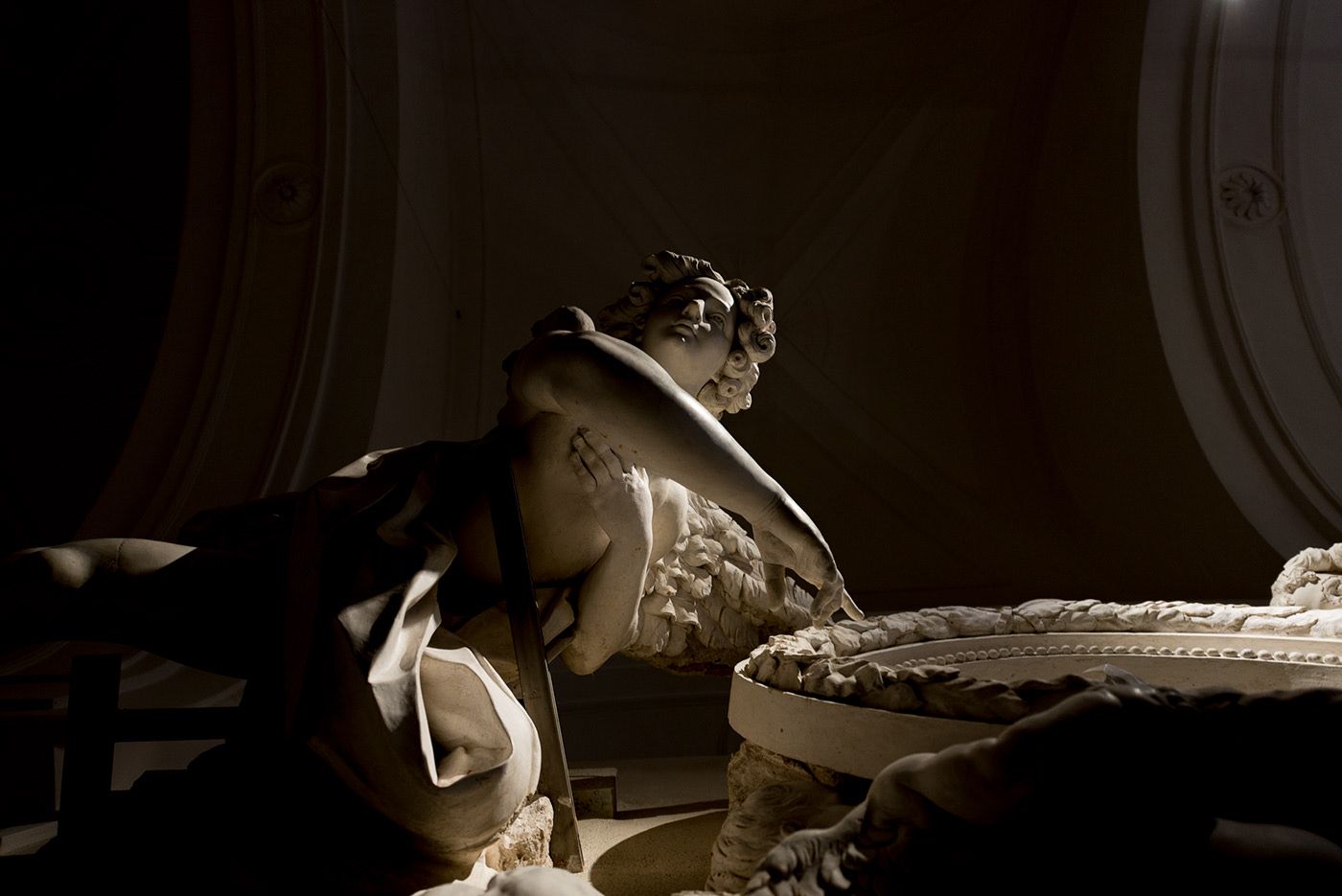
Now he was modeling the child’s face. His hands were big and the face came out small and alive, the mouth open as if it were laughing at something we could not hear. He passed the iron, then his finger, then the iron again. He stopped.
Then he took the smooth stone and polished the putto’s arm, slowly, until the stucco took the colour of ivory and the light ran over it as over water. It looked like flesh. It looked like it would burn you. It was lime and dust and nothing.
In a corner, behind the foot, he cut a small snake into the lime. “Why do you hide it?” I asked. “Because a man’s signature is what no one sees,” he said, and wiped his hands on his apron. Then he looked a long time at the face he had just finished. “It isn’t the mouth that laughs,” he said. “It’s the eyes. Anyone can copy the mouth.”
In the afternoon we walked to the lady’s palace, beyond the Kalsa. We carried the tools in a sack; the carriage was not for us. Inside there was a courtyard with a fountain that sang and orange trees in urns, and the great staircase alone was a work of art: red and grey marble, the vault painted with a sky full of gods, and the statues in their niches watching us pass.
We passed through room after room, and each was richer than the one before. There were mirrors as tall as the ceiling, and in every mirror the two of us passed, small, with the sack of tools. The master looked at none of it. He had seen palaces all his life. He looked at the light, and how it fell.
The Lady was waiting in the last room with a nurse and a child of four months, and she was laughing before we had finished bowing. She wanted an angel for the empty niche in her chapel, and she wanted it to have his face — this one, she said, exactly this one, before he changes. The master asked to be left alone with him for a quarter of an hour, which is a strange thing to ask, and she allowed it. On the way back he said only: “A face that new has no habits yet.” He has made hundreds of children of lime, laughing, on the walls of the churches all over this city, and that evening I understood that he makes them so that people will look up.
Let us open the right door for you.
Design your travel