The Tyrrhenian Coast · Cefalù
Where ancient streets meet the Mediterranean
The Journey
Into the lanes of Cefalù, where medieval stone meets the open sea and the day keeps the rhythm of the tide.
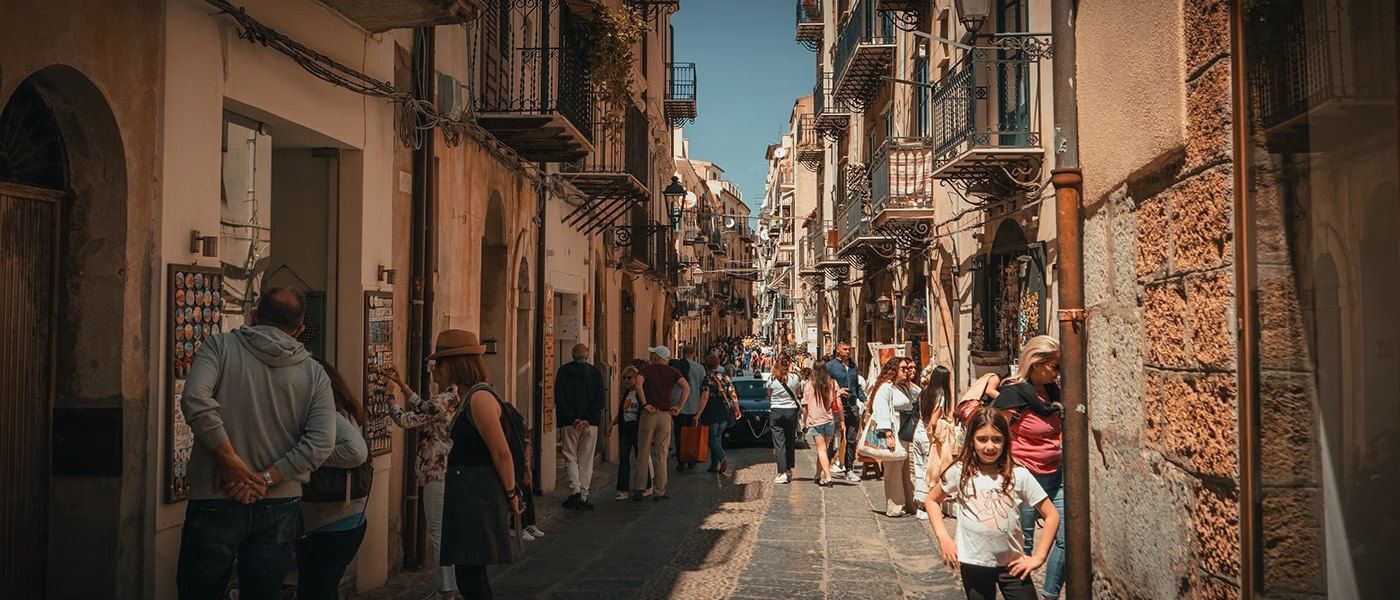
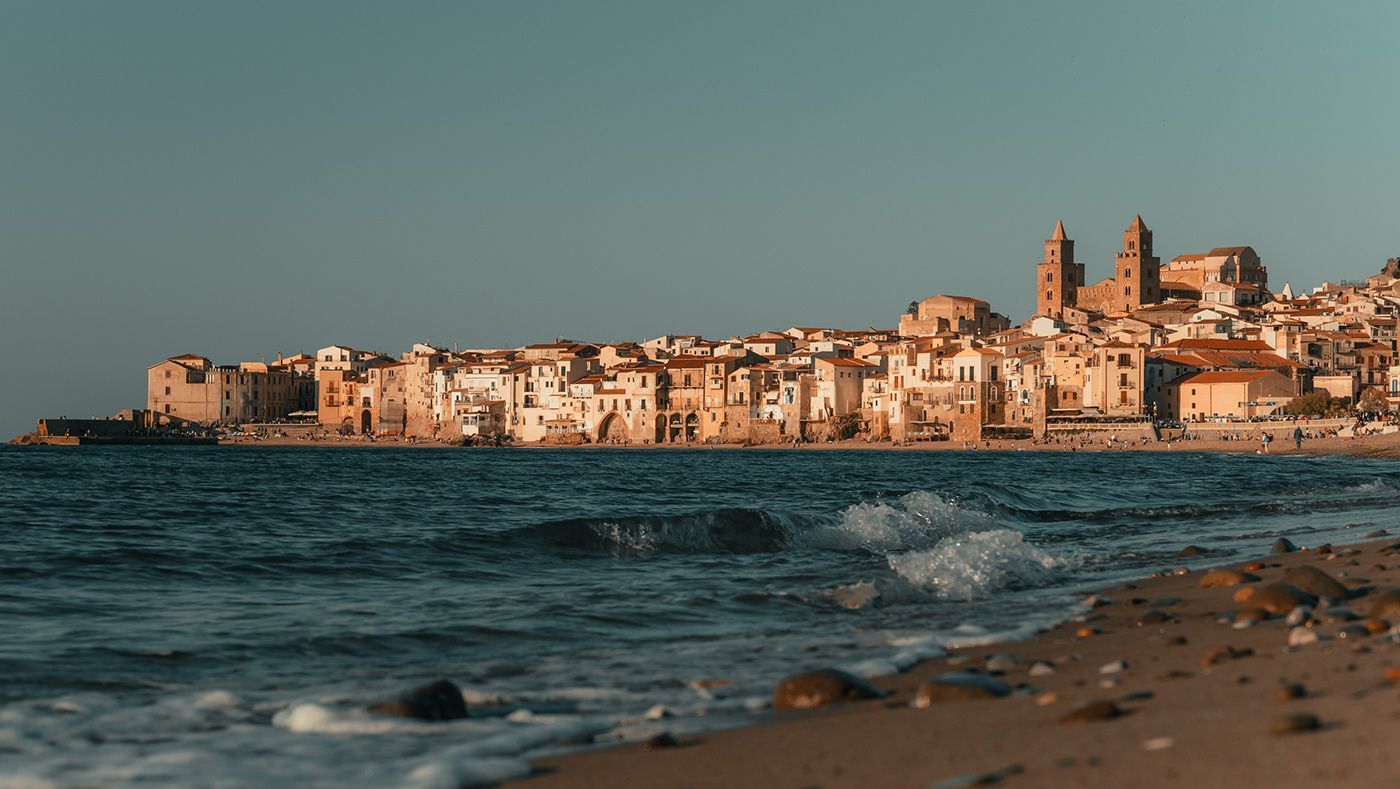
A private transfer from Palermo, and the day opens at the Cicero Theatre to a jewel-box stage known to the world through Cinema Paradiso. From there the old town unfolds on foot: the great Norman Cathedral above the rooftops, the medieval washhouse where spring water still runs beneath worn stone steps, and lanes in which every corner carries a trace of salt.
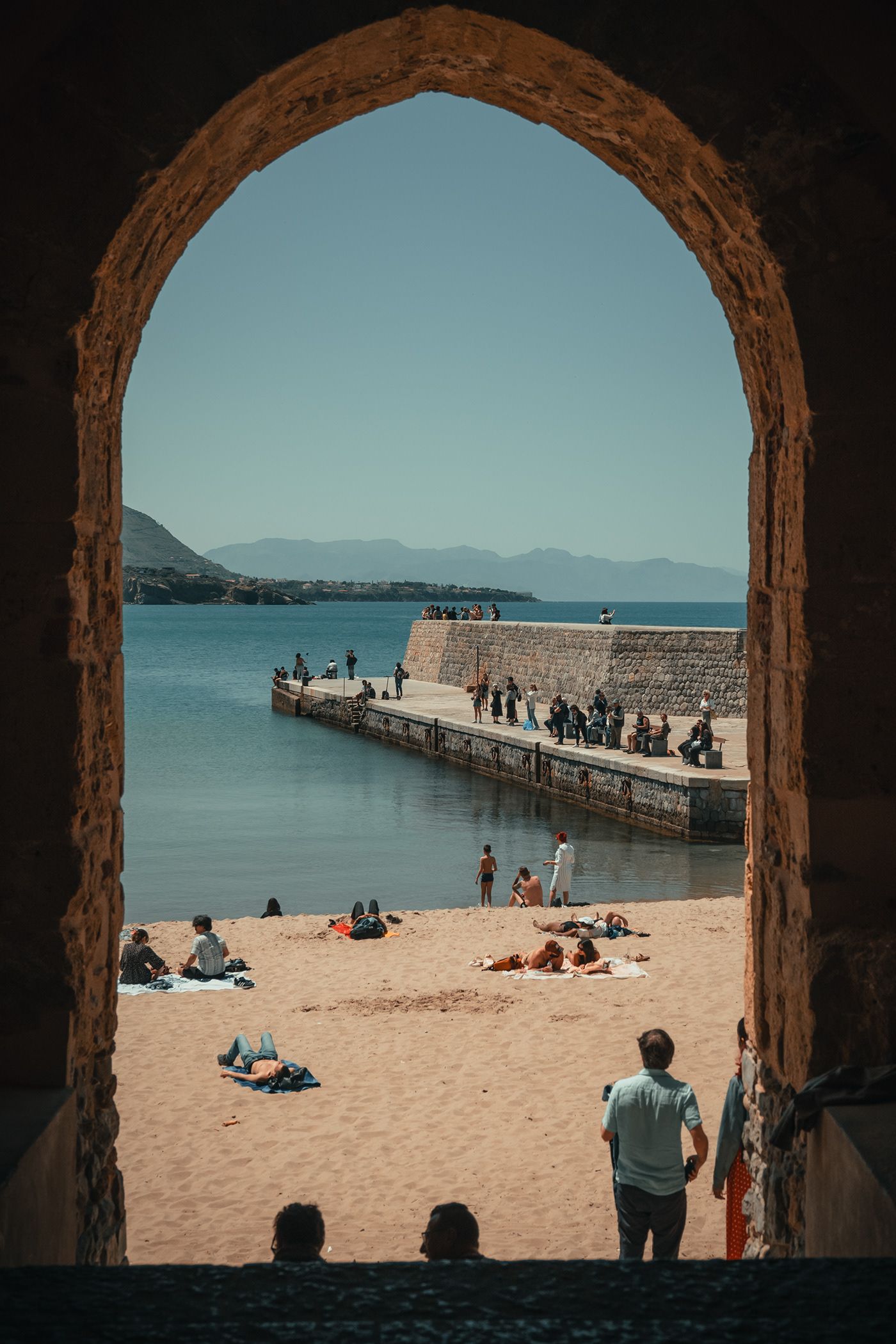
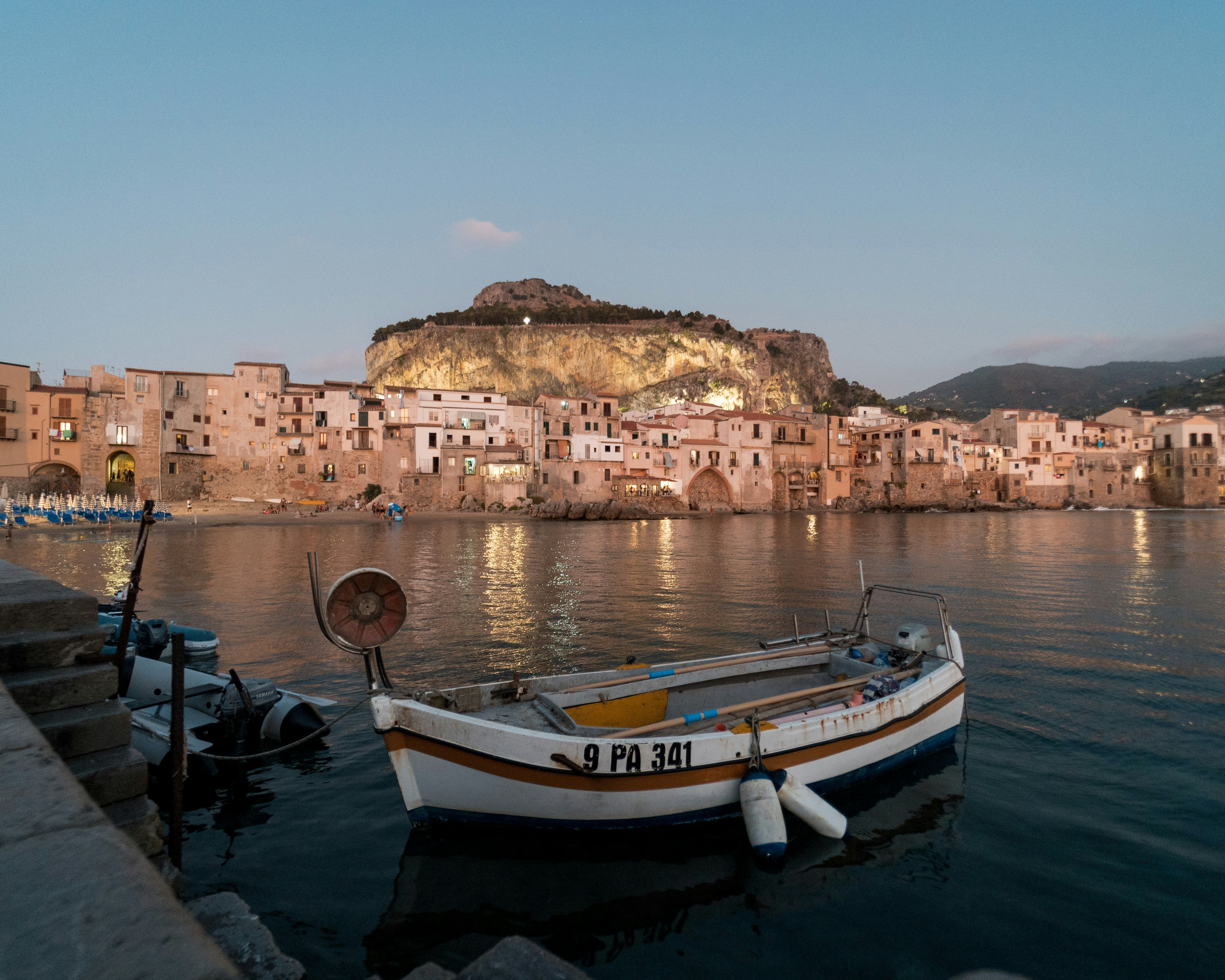
Before lunch, a fisherman receives you near the little harbour and speaks of the sea the way only those who work it can. Then a table by the water: a Mediterranean lunch of the morning's catch and the season's vegetables, unhurried, with the Rocca rising behind the rooftops. The return to Palermo closes the day.
What Unfolds
The tiny theatre of Cinema Paradiso, still lit for storytelling.
Roger II's great cathedral, golden stone against the Rocca.
Spring water beneath worn stone steps, in use for centuries.
The morning sea, told by a man who reads it daily.
The day's catch, at a table facing the water.
Revelia Stories
In the mind of a fisherman — Cefalù, 2026
My house is on Corso Ortolani, and anyone who hears the name thinks of a corso, a wide street with shop windows. Instead it is an alley two big men cannot walk down side by side.
The house is one room below and one above, the stair outside, and from my bed I hear the sea beating as if it were beating inside the wall. I was born in it. My father too. When the libeccio blows hard the water comes up to the steps, and my wife puts rags under the door and says nothing, because it is a thing everybody knows.
I go out at three in the morning. At that hour the town belongs to those who work. I pass beneath the old washhouse, where the women once washed the linen in the water that comes down out of the stone, and there is always that sound of water that never ends; at night it seems louder. Then the pier, the boat, the engine that starts on the third try because it never starts on the first.
That night we went out with my brother-in-law for swordfish. There was a waning moon, a long sea, the kind that makes no foam but lifts you and sets you down, lifts you and sets you down, as if someone were breathing underneath.
Toward five the wind got up from the grecale, and not gently. The sea changed its face in twenty minutes. We took water from every side, the fish crate went off on its own, and my brother-in-law stopped talking, which is the thing that told me we were in a bad way. The sea is like certain Christians: it laughs and laughs, and then it gives you a bad look. I am not afraid of it. I have respect for it — which is another thing, and keeps you more alive.
People think a man like me watches the compass. I was watching straight ahead. Because at Cefalù, to come home, you need nothing: there is the Rocca. That big square mountain above the town can be seen from very far off, and from certain miles out it looks like an animal lying down asleep. My grandfather used to say the Lord put it there for the fishermen, so that nobody would be lost.
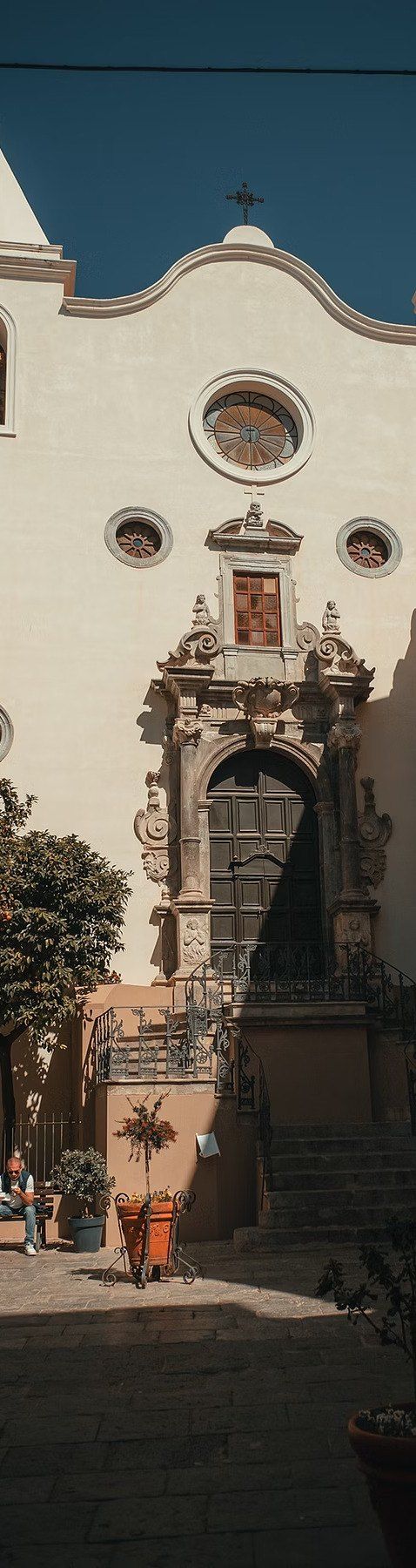
When it began to grow light, I saw it. First a patch darker than the sky. Then the Rocca itself, and beneath it, small, small, the two towers of the church of the Normans, square, standing there for eight hundred years to say to a man like me: you have arrived. I am not ashamed to say it, my chest opened.
I went home along Corso Ortolani with my shoes letting in water. My wife had the coffee ready, because she hears the engine from far off and knows it is me and not somebody else; she says every boat has its own voice. She asked me nothing about the wind. She looked at my hands, which is her way of asking.
From my bed, that morning, I could not see the sea: I could hear it. And after a night like that, hearing it and not seeing it is the finest thing there is.
Let us open the right door for you.
Design your travel