The Gulf of Castellammare · Zingaro
The Zingaro Reserve and the villages of the sea
The Journey
A slow day along Sicily's first nature reserve, where the only schedule is the rhythm of the sea.
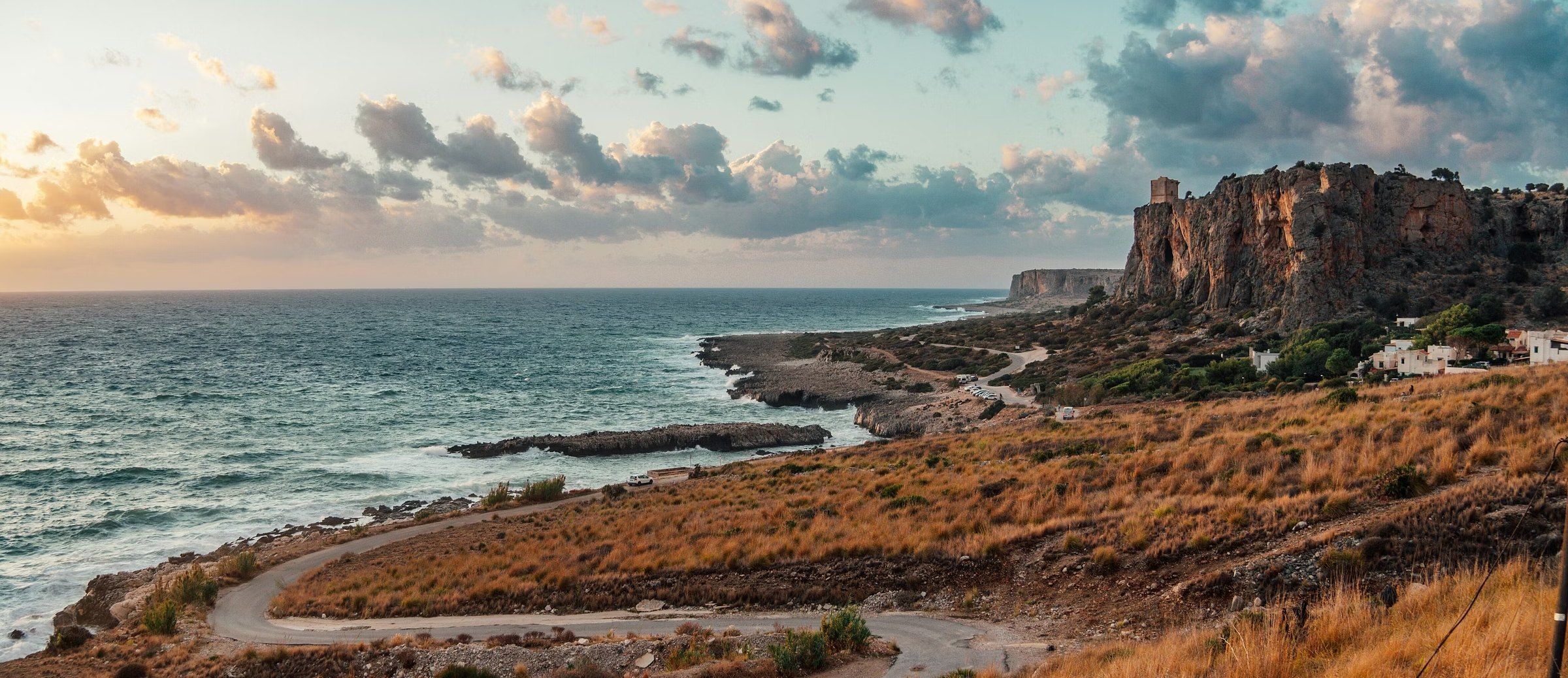
The road from Palermo runs west to the gates of the Zingaro, Sicily's first nature reserve: seven kilometres of cliff, dwarf palm and turquoise water, with no road through it. The walk follows the panoramic path at an unhurried pace, and there is time to swim in coves that can be reached only on foot.
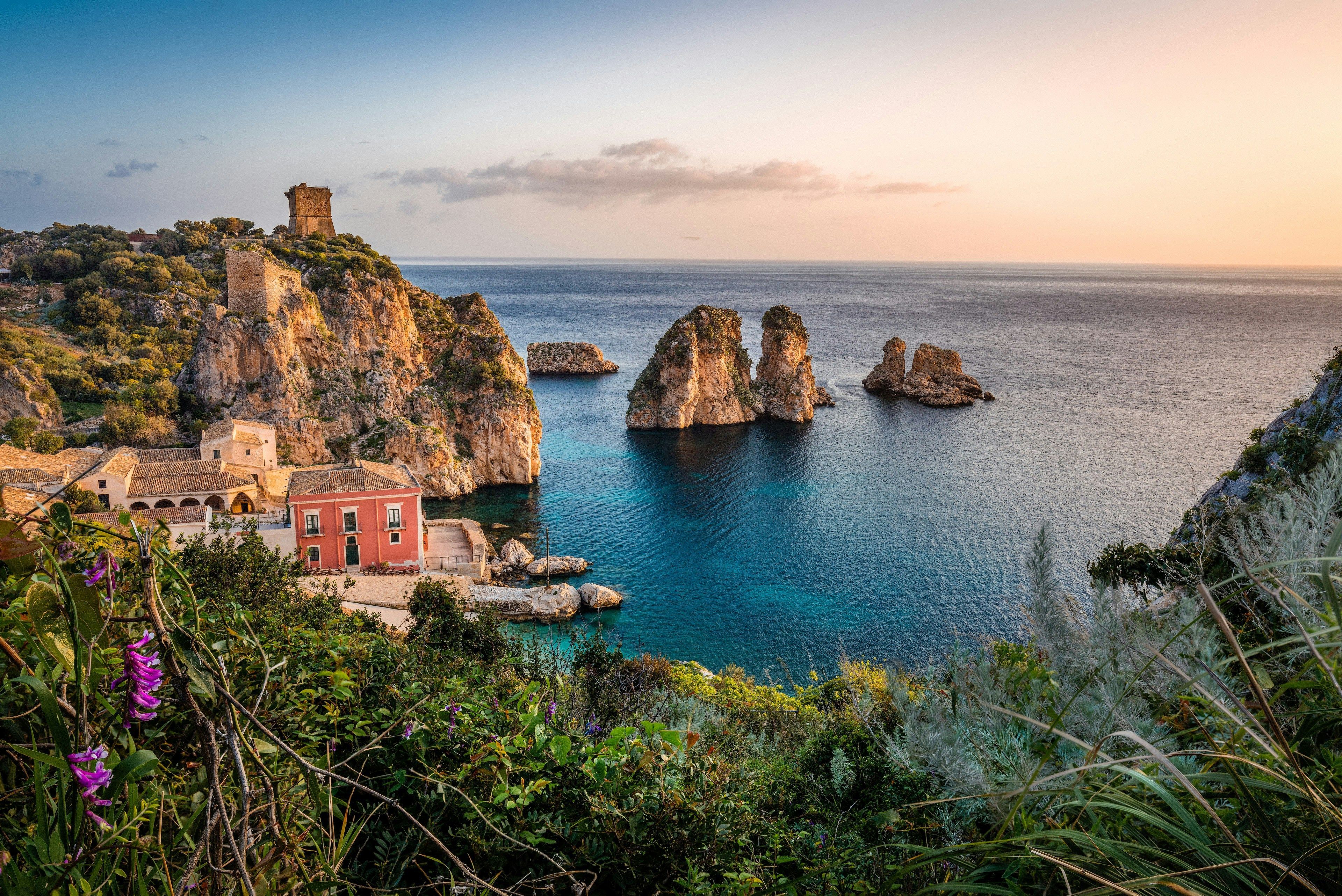
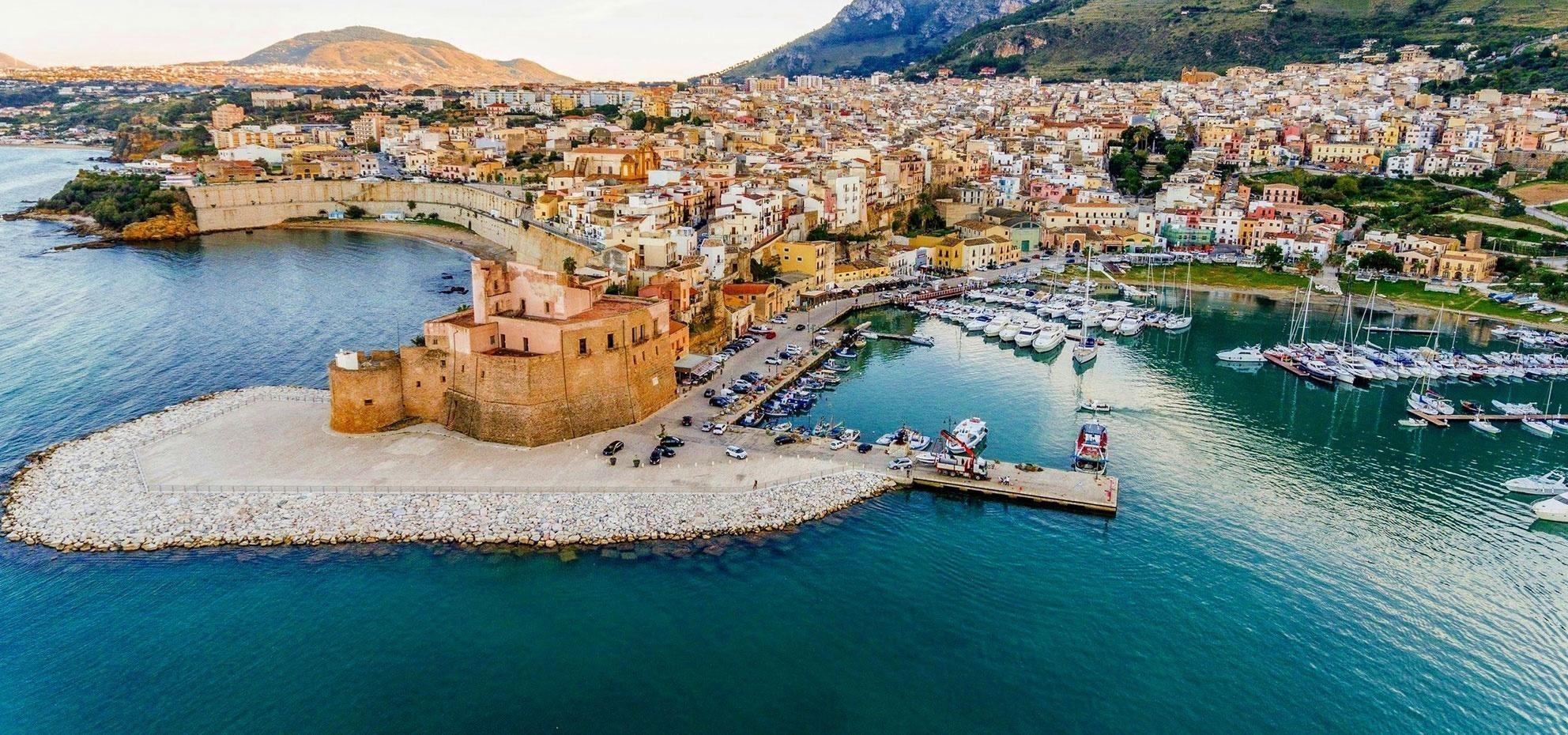
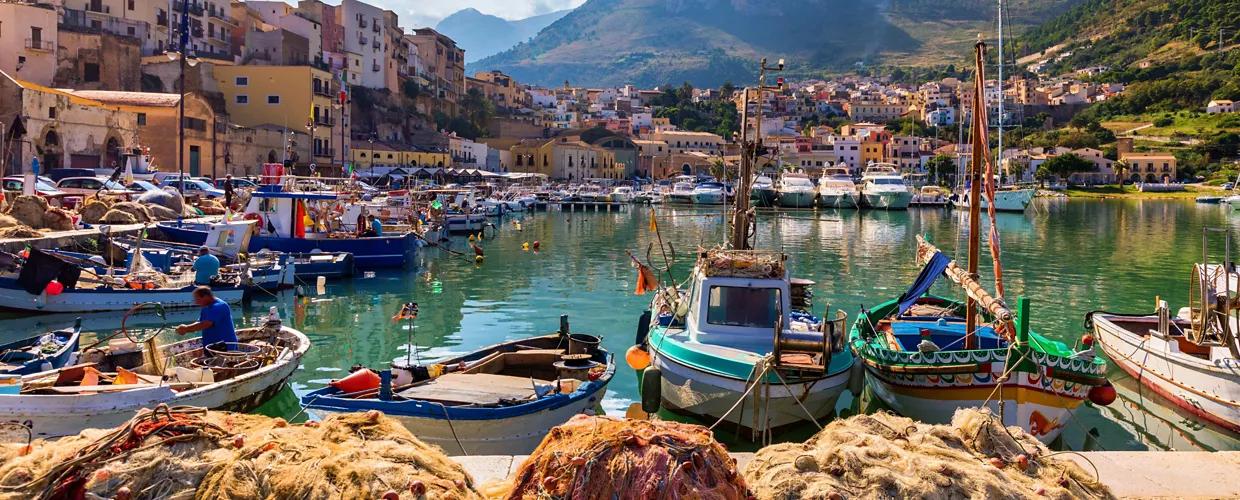
Scopello follows: a hamlet gathered around a paved courtyard, its old tuna fishery resting between the sea stacks. Lunch is taken at a trattoria facing the water, the island's flavours and a local wine on the table. In the afternoon, Castellammare del Golfo offers its marina, its medieval lanes and its castle above the harbour, before the drive back to Palermo.
What Unfolds
Seven kilometres of protected coast, crossed on foot.
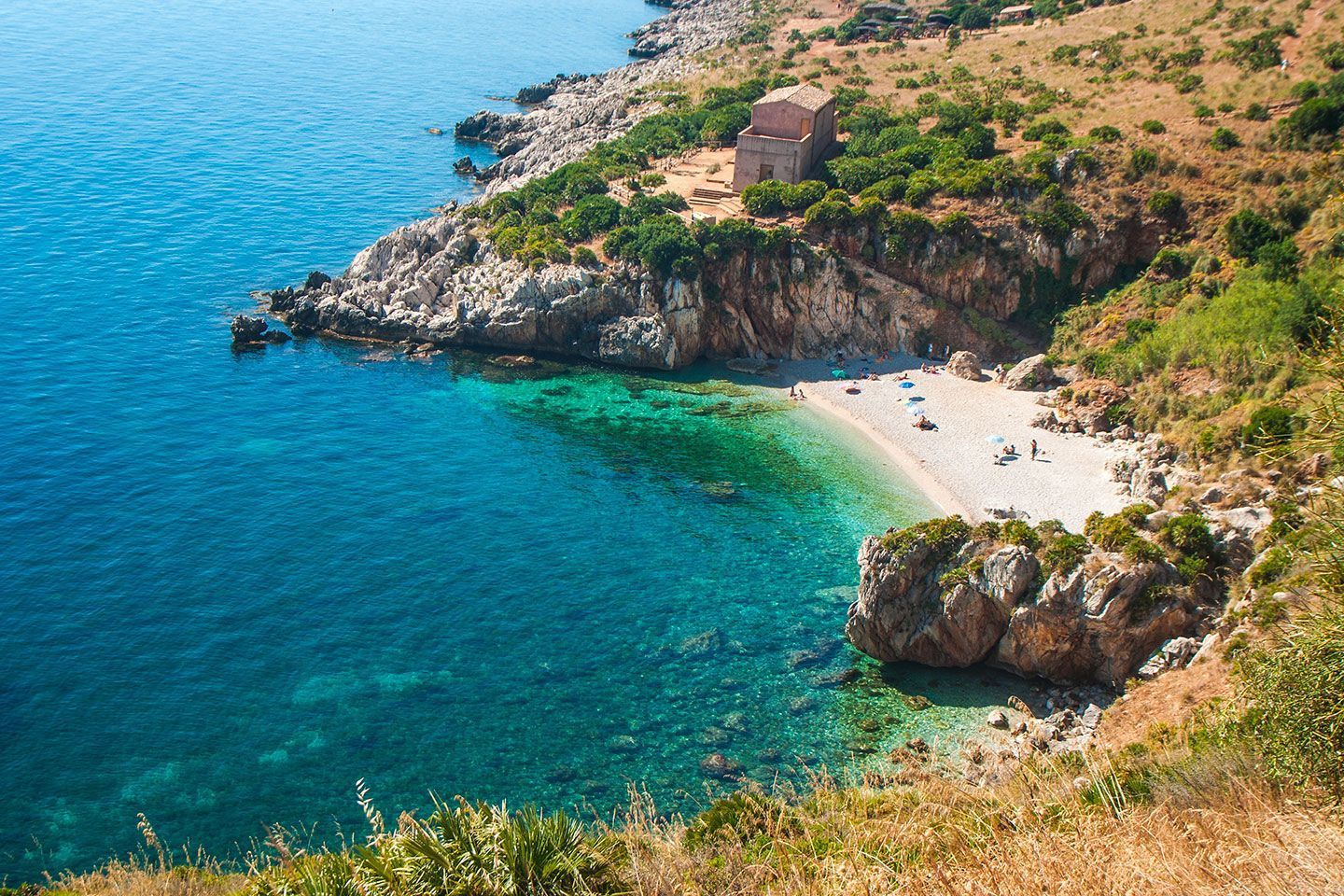
Pale pebbles and clear water, reached only by path.
The panoramic trail above the gulf, taken slowly.
Lunch facing the sea stacks of the old tonnara.
Marina, medieval lanes and the castle above the harbour.
Revelia Stories
In the mind of the warden of Lo Zingaro — the reserve, 2025
I open the gate at seven, and for the first hour the coast belongs to nobody. I have done it for so many years that my hands find the padlock in the dark. There is no road inside. Whoever wants to see this place has to walk it, and that is the whole reason it is still here.
Seven kilometres of coast, from the gate above Scopello to the one at San Vito, and not one metre of asphalt. In 1980 the road was already drawn on the maps. It was to run along the water, cove by cove. Then, on a Sunday in May, three thousand people came and walked this path from one end to the other to say no, and the road was never built. The year after, it became the first nature reserve in Sicily.
I was nineteen and I walked it too, at the back, with my father, who was certain it would come to nothing. He lived long enough to be wrong about that.
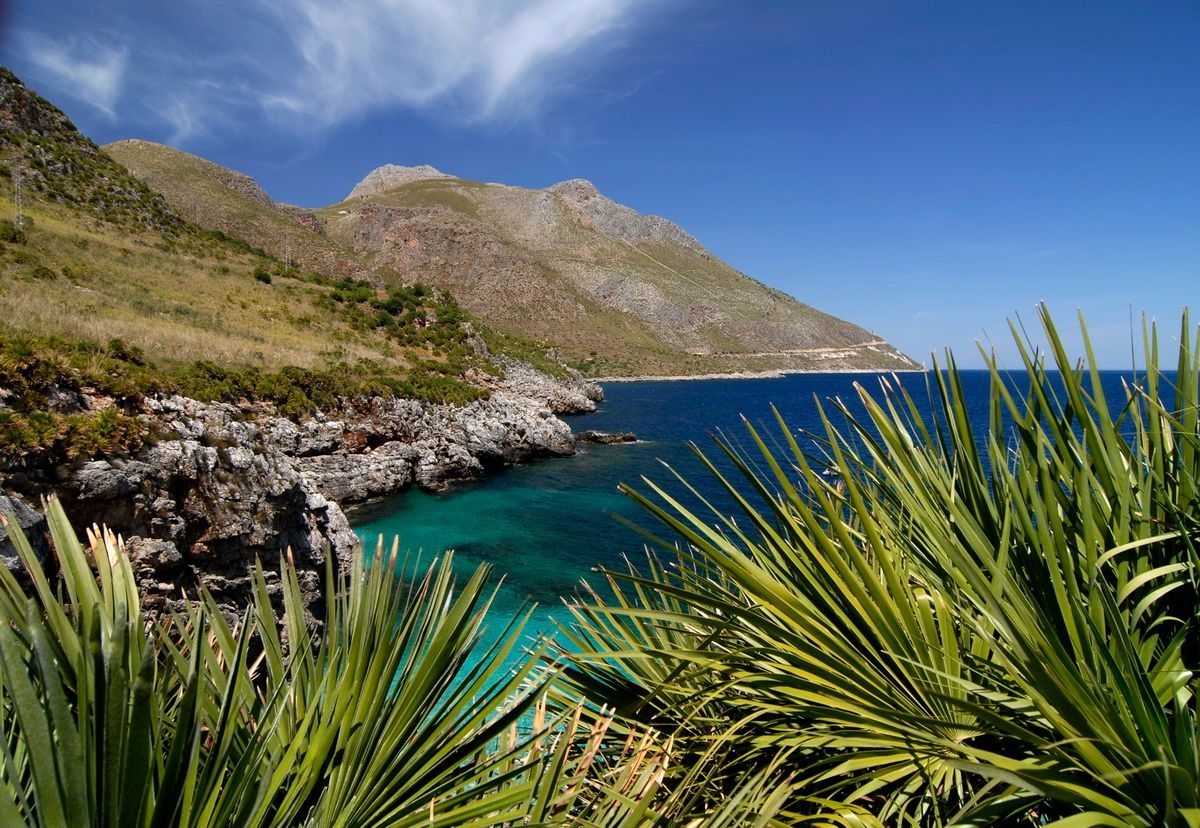
The plant that decided this coast is the dwarf palm. Low, hard, with fan leaves that cut your hand if you take hold of them wrong. There is more of it here than anywhere. The women used to gather the leaves and dry them and make brooms and baskets and the mats laid under the grapes; the men made charcoal up in the wood. Zingaro means gypsy, and nobody agrees on why the place carries that name.
The stone houses are still standing along the path, roofless now, a fig tree growing out of the middle of each. People lived in them until the sixties: two rooms, a cistern, an oven outside. Visitors ask me if they are ruins. They are not ruins. They are houses that stopped being needed.
In the grotto above Cala dell’Uzzo they found hearths and shells and bones nine thousand years old — people who ate the same limpets the boys still prise off the rocks in August. Nine thousand years, and the menu has not changed a great deal.
There are seven coves and I know the hour each one is at its best. Capreria early, before the first walkers reach it. Marinella when the sun is high and the water goes the colour of a bottle. Berretta late, when everyone has turned back and the stone gives off the heat it took all day.
Above, on the cliff face, a pair of Bonelli’s eagles nest most years. I know within a few metres where, and I do not say. Once in a summer, if you are looking at the right moment, you see one come down along the rock without moving its wings at all.
My work is mostly small. Clearing the path after the rain. Carrying out what people leave behind. Telling the ones with no water that four hours in July is not a walk, it is a mistake. Twice I have brought somebody’s child down from the wood on my back. In thirty years I have called the helicopter four times, and every time it was someone who had been told and had not listened.
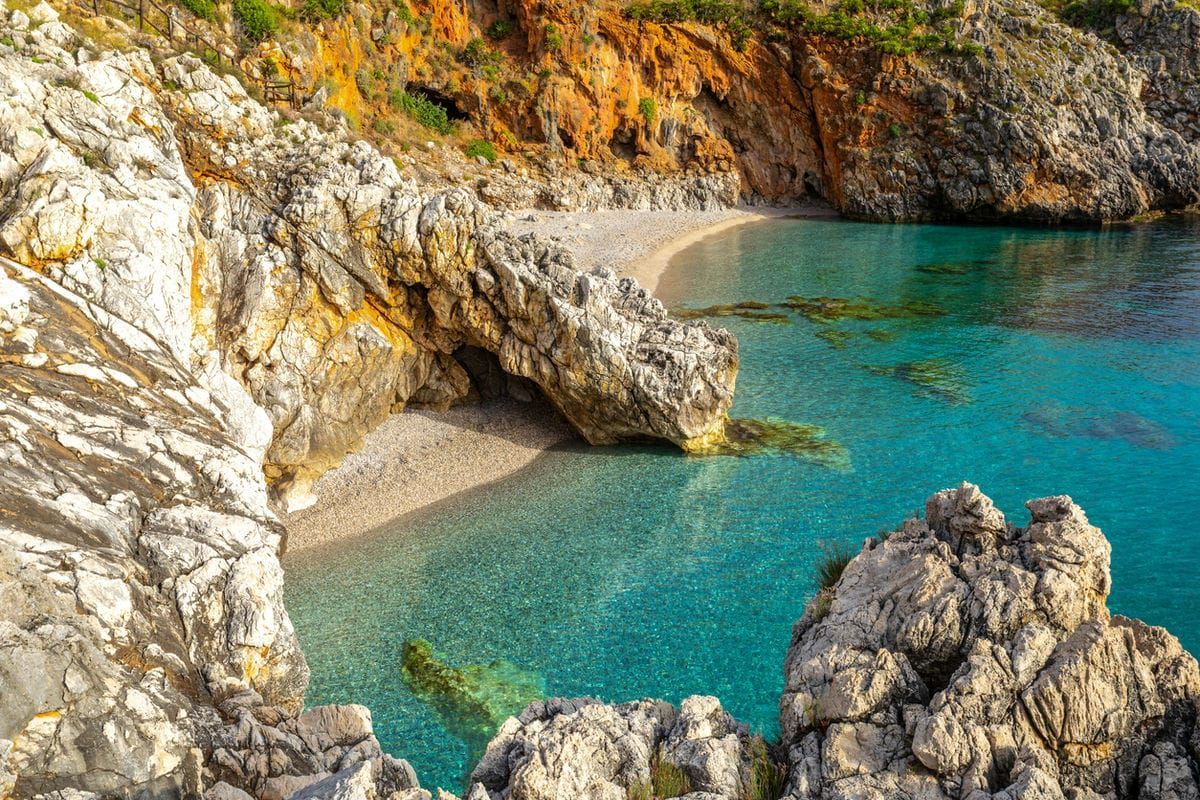
In the evening, from the last bend before the gate, you see the whole gulf and Castellammare white against the mountain. In the season you can hear the town from up there: a scooter, a dog, somebody calling a name from a balcony. Then I shut the gate and it is quiet again, and whatever else has happened in the world that day, the coast is exactly as it was in the morning.
People tell me I am lucky to work in a beautiful place. I tell them it is beautiful because forty-five years ago three thousand people walked seven kilometres on a Sunday. Nothing here keeps itself. Not the path, not the palms, not the eagles. Somebody has to go on opening the gate.
Let us open the right door for you.
Design your travel